Premier League Kicks Off 2026/27 Campaign Without Betting Logos on Club Shirts
Otto Simon · Sep 2, 2026

Premier League Kicks Off 2026/27 Campaign Without Betting Logos on Club Shirts
The 2026/27 Premier League season opened on August 21 with every club matchday shirt free of betting company branding on the front panel, a direct result of the league's new voluntary ban on such sponsorships, and observers note that this shift arrives as operators navigate tightening UK rules on gambling promotions. Data from the TSC SPIN 100 index reveals the sector holding broadly flat on average share price performance year-to-date, yet individual stocks display sharp splits that highlight varying business exposures.
League-Wide Ban Takes Effect at Season Start
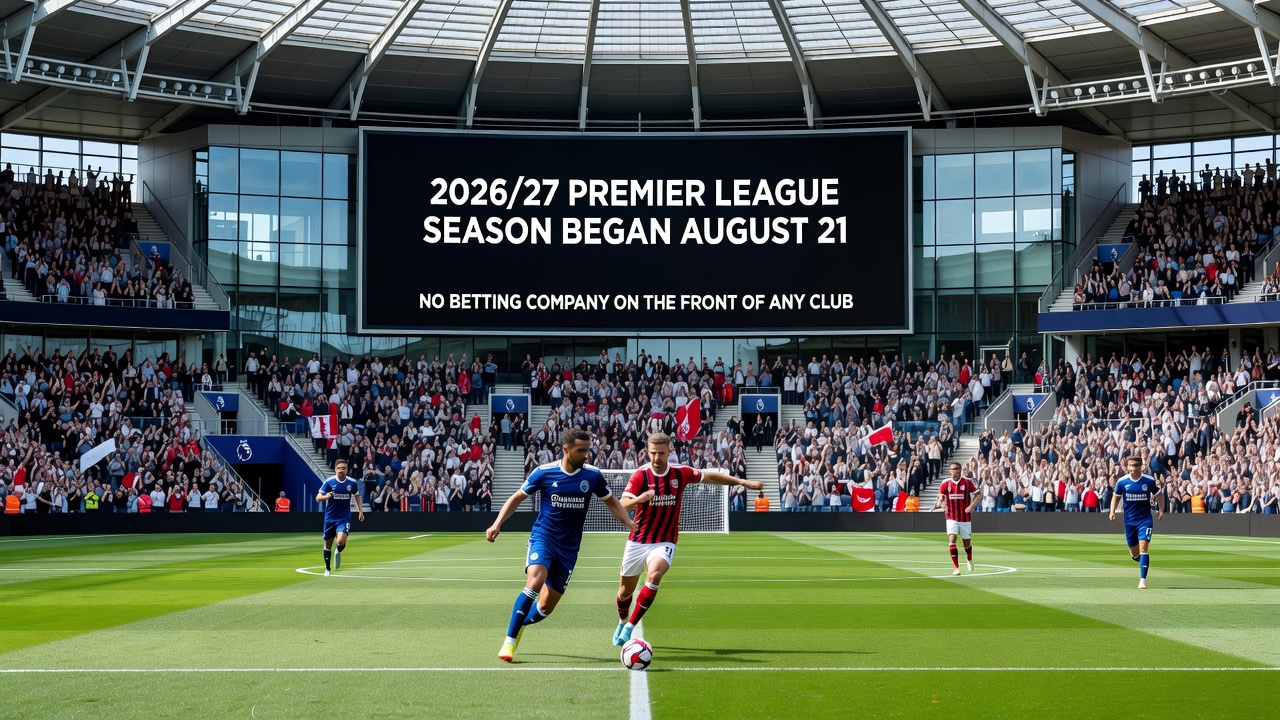
Clubs across the Premier League began fixtures on August 21 without front-of-shirt betting partners because the voluntary agreement removed those logos from primary shirt positions, and this change affects all twenty teams simultaneously while leaving sleeve and training kit deals untouched in most cases. Those who follow the sport closely point out that the ban reflects ongoing regulatory pressure in the UK, where authorities continue to scrutinize gambling advertising tied to major football events.
Matchday kits that once carried prominent betting names now feature alternative sponsors or club crests in the central chest area, which means operators lose a high-visibility marketing channel that previously reached millions of viewers each weekend. The decision applies only to front-of-shirt placements, so secondary partnerships and digital activations remain available for companies seeking continued association with Premier League clubs.
Investor Reactions Show Mixed Results in Sector Index
The TSC SPIN 100 data captures how markets respond to these regulatory moves, with the overall betting sector registering flat average share price movement year-to-date even as standout performers diverge sharply in opposite directions. TSC SPIN 100 figures place Flutter Entertainment down 52 percent over the same period, whereas Rush Street Interactive advanced 36 percent, illustrating that company-specific factors such as geographic reach and product focus continue to drive outcomes more than broad sector trends.
Larger consumer-facing operators face visible pressure because their UK-facing operations encounter tighter promotion limits, while businesses with stronger international or online-only models show resilience through diversified revenue streams. Analysts tracking these movements note that share price reactions often track exposure levels rather than uniform sector sentiment.
Operators Adjust Strategies Amid Regulatory Shifts
Betting companies have begun redirecting marketing budgets toward digital channels, international markets, and non-shirt sponsorships as the Premier League ban removes one traditional visibility route, and this adaptation occurs while the season progresses into September 2026 with ongoing fixtures. Companies emphasize data-driven approaches that target responsible play segments and expand in regions with different regulatory frameworks.
Geographic exposure plays a decisive role because operators with significant US or Asian revenue streams offset UK declines more effectively than those reliant on domestic consumer advertising. The TSC SPIN 100 index tracks these distinctions by weighting companies according to their operational footprints, which helps investors distinguish between firms navigating the same environment with different results.
Business Models Influence Performance Outcomes
Individual business models determine how each operator absorbs the impact of lost shirt sponsorships, since those with strong online platforms and diversified offerings maintain steadier trajectories compared with firms centered on high-street retail or heavy UK brand advertising. Rush Street Interactive's gains reflect its focus on regulated online markets outside traditional European sponsorship channels, while Flutter Entertainment's decline aligns with greater exposure to UK-facing consumer segments.
Pressure remains concentrated among larger operators whose brand visibility once depended on Premier League placements, yet smaller or niche players continue to pursue alternative partnerships such as sleeve deals, stadium activations, and prediction markets. The flat sector average in the TSC SPIN 100 index masks these internal variations that matter more for long-term positioning.
Conclusion
The Premier League's August 21 start without front-of-shirt betting sponsors marks a concrete regulatory milestone that continues to shape operator strategies as the 2026/27 season advances, and TSC SPIN 100 data confirms that share price outcomes hinge on specific business models and geographic spreads rather than uniform sector movement. Flutter Entertainment and Rush Street Interactive exemplify the divergent paths within the same index, where one records substantial year-to-date losses while the other posts notable gains. Those monitoring the industry observe that adaptation now centers on digital expansion and international diversification as companies respond to the evolving UK environment.