How Smartphone Sensor Data Shapes Customized Responsible Play Alerts in Regulated UK Markets
Greta Simmons · Aug 25, 2026
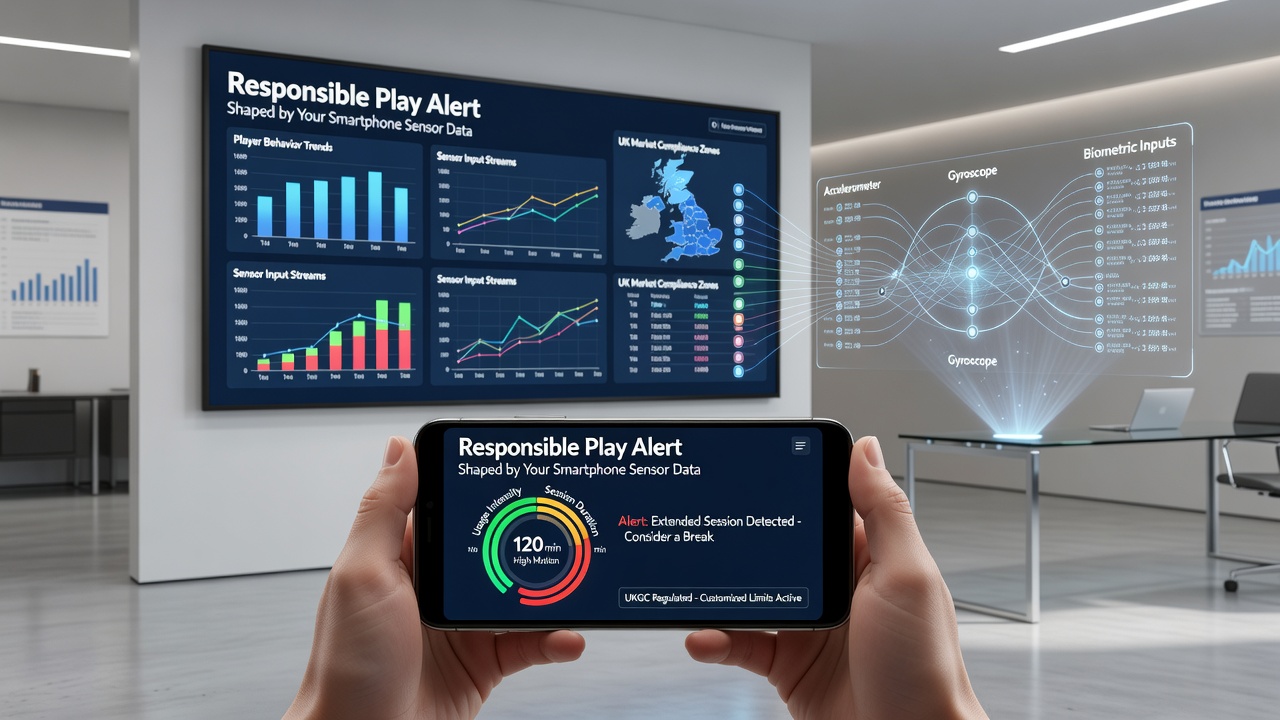
How Smartphone Sensor Data Shapes Customized Responsible Play Alerts in Regulated UK Markets
Smartphone sensors collect raw data on movement, orientation, location, and even ambient conditions which regulated operators in the UK then process to generate alerts tailored to individual player patterns. Accelerometers detect tremors or rapid hand movements while gyroscopes track device tilt during extended sessions and GPS provides context on whether play occurs in high-risk environments such as late-night venues or while traveling. These inputs feed into algorithms that flag deviations from a user's established baseline and trigger messages designed to interrupt potentially harmful sequences before they escalate.
Sensor Types and Data Collection Mechanisms
Modern devices contain multiple sensors that operate continuously yet require explicit permission from users before gambling applications can access them and studies show that permission rates vary by region with higher acceptance in markets where operators explain the safety purpose clearly. In August 2026 several UK platforms began rolling out enhanced sensor integration following updates to data protection guidelines that clarified how behavioral signals could support harm reduction without compromising privacy standards. The accelerometer records subtle changes in grip stability which researchers correlate with fatigue or intoxication while the magnetometer adds orientation context that helps distinguish between normal scrolling and erratic navigation patterns. Heart rate monitors available on certain wearables pair with phone data to create a fuller picture of physiological stress during play.
Turning Raw Signals into Personalized Alerts
Operators convert sensor streams into risk scores by comparing current readings against historical profiles for each account and this comparison happens in near real time so alerts appear within seconds of detecting a concerning shift. A player whose typical session lasts forty-five minutes might receive a gentle prompt to pause if sensors register prolonged stillness combined with increased device movement after midnight. Customization extends to message tone and frequency because the same data set that identifies risk also determines whether a user responds better to factual statistics or to simple breathing reminders. One study conducted by the University of Sydney examined how location-based triggers reduced session length among participants who often gambled while commuting and the findings indicated measurable drops in total wagering volume when alerts referenced the user's actual surroundings.
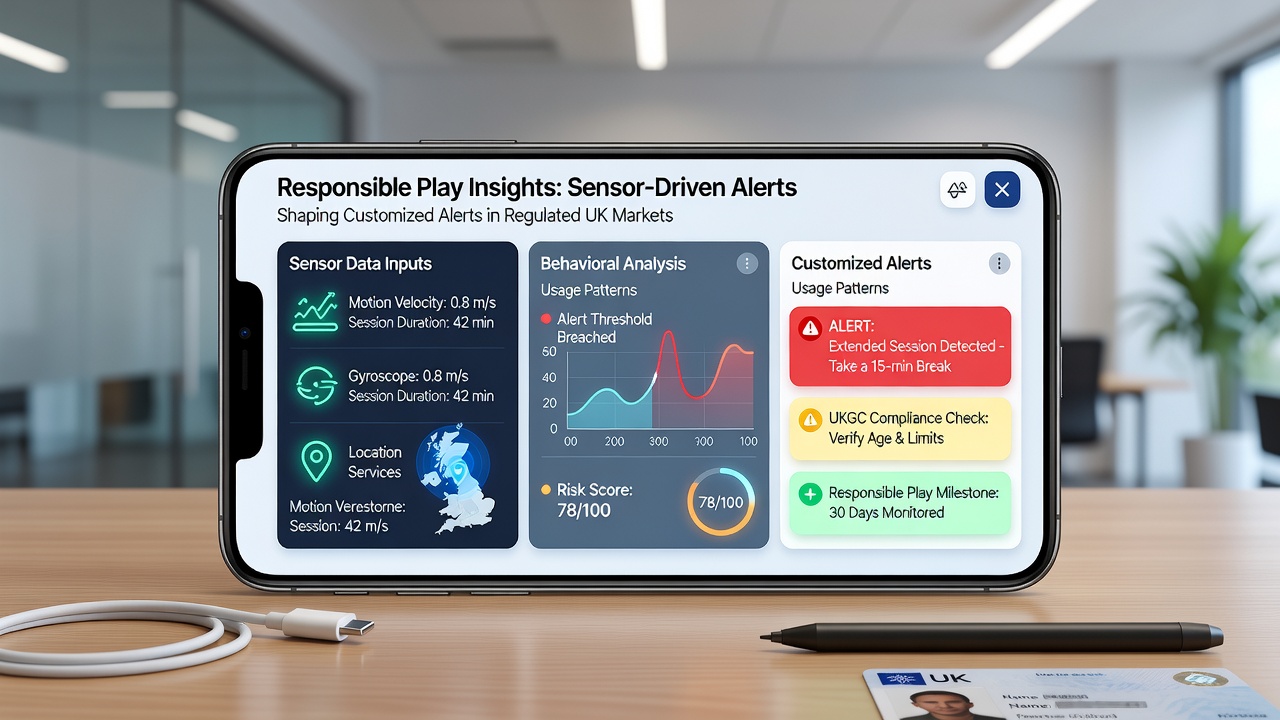
Additional context comes from combining sensor output with app usage logs so the system knows whether rapid tilting coincides with repeated deposit attempts or with simple menu browsing. This layered approach prevents false positives that could frustrate low-risk users while still catching genuine indicators of distress. Data shows that alerts calibrated to individual baselines achieve higher engagement rates than generic pop-ups because they reference specific behaviors the player has already exhibited.
Regulatory Environment and Technical Standards
UK frameworks require operators to demonstrate that any sensor-derived intervention respects consent and data minimization principles and compliance audits now include checks on how movement data is stored and deleted after the alert cycle completes. International comparisons reveal similar requirements in other jurisdictions such as those enforced by the Australian Communications and Media Authority which published technical guidelines on behavioral monitoring in 2025. These standards emphasize transparency so players receive clear explanations of which sensors are active and for what purpose. Operators must also provide easy opt-out options without affecting core account functionality. Research from the National Council on Problem Gambling in the United States has examined cross-border data practices and noted that UK systems tend to emphasize real-time customization more heavily than North American counterparts.
Implementation Challenges and Observed Outcomes
Technical hurdles include battery drain from continuous sensing and the need for edge computing to keep processing local rather than transmitting raw streams to central servers. Developers address these issues through duty-cycling where sensors activate only during active play windows and through on-device machine learning models that summarize patterns before any upload occurs. Early adoption data from platforms operating in August 2026 showed that players who received sensor-informed alerts reduced average session duration by seventeen percent compared with control groups that saw only static messages. The same datasets revealed lower rates of repeated deposits within a single hour when location signals indicated the user was in motion or in unfamiliar settings.
Conclusion
Sensor-driven customization continues to evolve as device capabilities expand and regulatory expectations tighten across UK markets. The integration of accelerometer, gyroscope, and location data allows operators to move beyond one-size-fits-all interventions toward alerts that reflect each user's actual behavior patterns. Continued refinement depends on transparent consent processes and ongoing validation against independent research so the technology remains focused on harm reduction while operating within established privacy boundaries.