Decoding the Role of Transaction Security in Shaping Real-Time Strategy Adjustments for UK Football Markets
Klara Albrecht · Aug 20, 2026
Decoding the Role of Transaction Security in Shaping Real-Time Strategy Adjustments for UK Football Markets
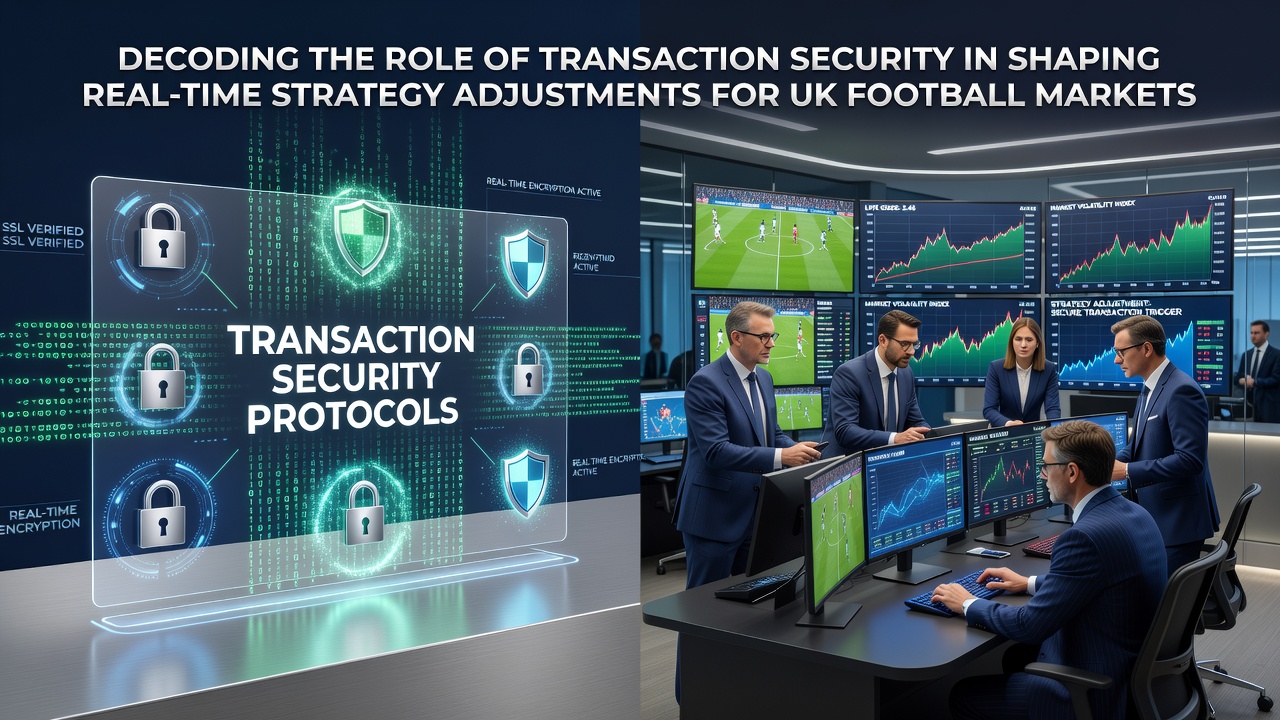
Transaction security protocols form the backbone of modern betting operations across UK football markets, where rapid data exchanges determine how odds shift during live matches. Operators rely on layered encryption, multi-factor authentication, and continuous monitoring systems to process wagers without interruption, and these measures directly influence the speed at which platforms adjust strategies in response to on-field events. Research from the European Securities and Markets Authority highlights how secure payment infrastructures reduce latency in transaction confirmations, which in turn permits bookmakers to recalibrate live markets with greater precision during Premier League fixtures.
Security Foundations Behind Live Market Responsiveness
Football betting platforms in the UK integrate end-to-end encryption standards that protect card details, e-wallet transfers, and bank transfers while they move between users and operators. These safeguards, when combined with real-time fraud detection algorithms, create an environment where bettors experience minimal delays even as thousands of wagers flood in during high-stakes moments such as penalty shootouts or injury time. Observers note that platforms maintaining ISO 27001 certification often achieve faster settlement times, allowing strategy teams to update spreads on goals, corners, and player performance metrics without pausing the market. Data from payment security audits conducted in 2025 shows that incidents of declined transactions drop significantly when biometric verification layers sit alongside tokenization methods, freeing resources for dynamic pricing engines to respond to match developments.
Real-Time Adjustments Powered by Verified Transactions
Live betting markets demand immediate recalibration once a goal occurs or a red card appears, and transaction security plays a central role in enabling those recalibrations. When a bet processes successfully within milliseconds, the platform gains accurate volume data that feeds into risk management models, which then shift odds across related selections like over-under totals or Asian handicaps. Those who've studied platform architecture point out that robust security frameworks also limit chargeback risks, giving operators confidence to extend higher limits during peak periods such as the August 2026 international break when friendly matches generate unusual betting patterns. Secure systems therefore support both the volume handling and the compliance requirements that underpin continuous market activity without regulatory friction from international standards bodies.
Case Examples from UK Football Seasons
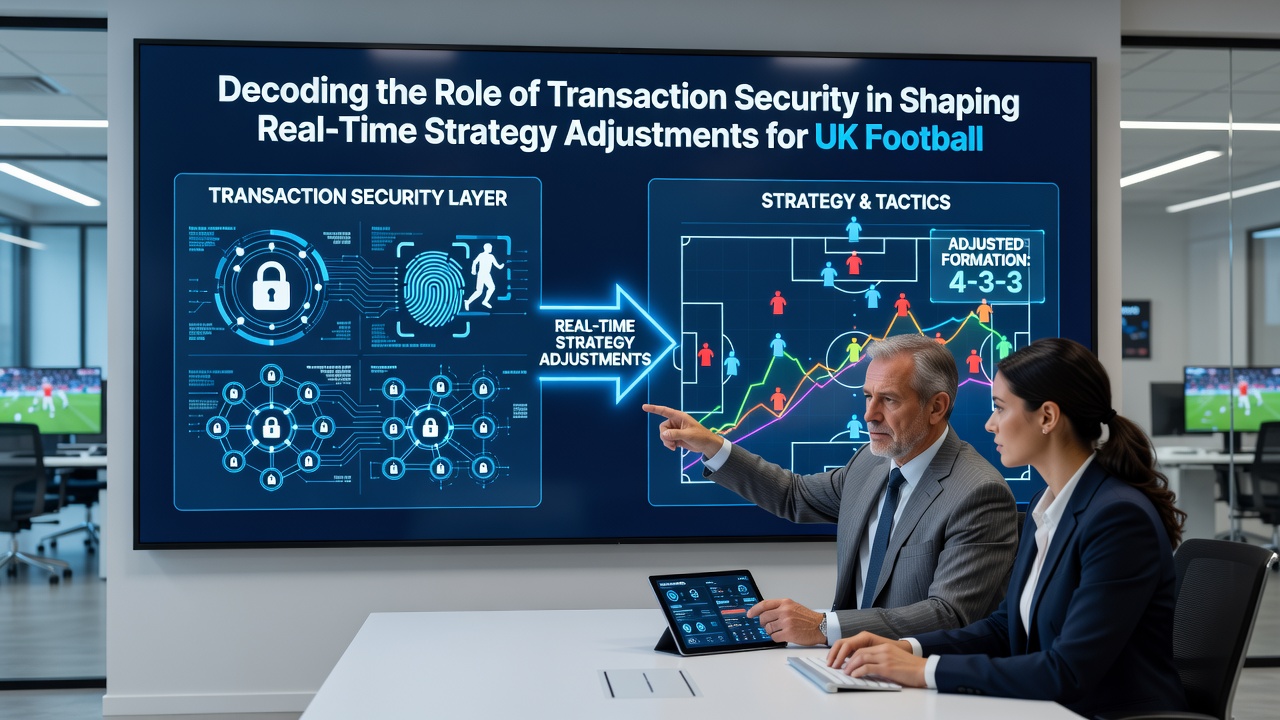
Take one operator active during the 2025-2026 Premier League campaign that experienced a surge in in-play wagers after a surprise equalizer in a Manchester derby. Their transaction security suite processed over 40,000 additional bets in the final twenty minutes while maintaining sub-second confirmation rates, which allowed the risk team to widen margins on late goal markets and simultaneously tighten spreads on player bookings. Another example involves a mid-table club match where early red cards triggered heavy activity on correct-score selections; here, verified e-wallet transactions reduced failed payment rates to under two percent, giving strategists reliable signals to adjust liquidity pools across correlated markets such as both-teams-to-score. These instances demonstrate how secure processing pipelines translate into actionable intelligence for live strategy teams rather than isolated technical features.
Broader Market Implications and Regulatory Context
Industry reports from the Australian Institute of Criminology indicate that jurisdictions with stringent transaction security requirements see steadier growth in live betting volumes because participants trust the integrity of each wager. In the UK context, this trust manifests as higher participation rates during evening kick-offs when European matches overlap with domestic fixtures, creating complex cross-market hedging opportunities. Platforms that adopt advanced protocols, including quantum-resistant encryption pilots tested in 2026, position themselves to handle emerging payment methods like central bank digital currencies without compromising the real-time nature of football markets. Such developments also align with broader financial conduct expectations from bodies outside the UK, ensuring operators avoid disruptions that could otherwise stall strategy adjustments mid-match.
Conclusion
Transaction security continues to shape how UK football betting markets evolve in real time by providing the reliable infrastructure needed for rapid, data-driven decisions. As platforms incorporate newer verification technologies and respond to events like the August 2026 schedule changes, the connection between secure processing and strategic flexibility grows tighter, supporting consistent market operation across diverse match scenarios.